


“Practice makes a man perfect” – this might be the old statement, but a timeless one. In your ECE learning endeavour, you might learn a range of concepts and theories, its real meaning comes through practice, from the projects you build. Only by planning, organizing and making projects, the learning becomes stronger, fruitful and impactful. There’s no need to be a revolutionary project, even simple mini projects for ECE develop practical intelligence and inventive skills. Some of the mini and innovative project ideas for ECE students are Home Automation System, Weather Monitoring System using IoT, RFID Door Access Control System, etc. In this article, we’ve listed the 12 best mini project ideas for ECE students, helping aspirants from best engineering colleges in Chennai choose the right project and build with confidence.
At Mahalakshmi Tech Campus, our electronics and communication engineering faculty team guides the students to cultivate more innovative ideas and build the ECE project!
12 Best Mini Project Ideas for ECE Students
Below, we have given the 12 best mini project ideas for ECE students, which will help you to choose the relevant and meaningful project suitable to you:
1. Home Automation System

A Home Automation System is one of the mini projects for ECE students that allows users to control household appliances remotely through smartphones or voice commands. It is built using a microcontroller (Arduino/ESP8266), relay modules, sensors (temperature, motion, light), and a mobile app or web interface for control. The system receives commands via Wi-Fi or Bluetooth, which the microcontroller processes and sends signals to relays that switch appliances on or off. This project teaches IoT fundamentals and wireless communication while promoting energy efficiency and convenience in modern homes.
2. Weather Monitoring System using IoT
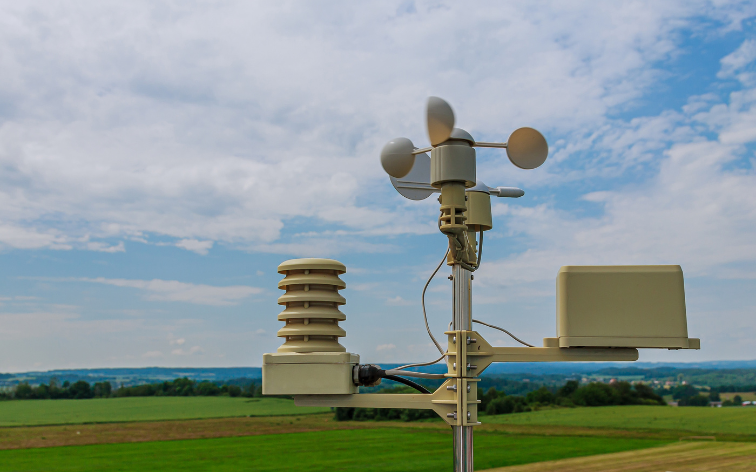
A Weather Monitoring System collects real-time environmental data like temperature, humidity, pressure, and rainfall, transmitting it to the cloud for remote access. Students build it using sensors (DHT11/22, BMP180, rain sensor) connected to NodeMCU or Raspberry Pi, which uploads data to IoT platforms like ThingSpeak or Blynk via Wi-Fi. The system continuously reads sensor values, processes them through the microcontroller, and publishes data to the cloud where it’s visualized through graphs and accessible via web or mobile apps. This mini project for ECE students teaches sensor interfacing, cloud computing, and data analytics while providing practical tools for agricultural planning, weather forecasting, and smart city applications.
3. RFID Door Access Control System
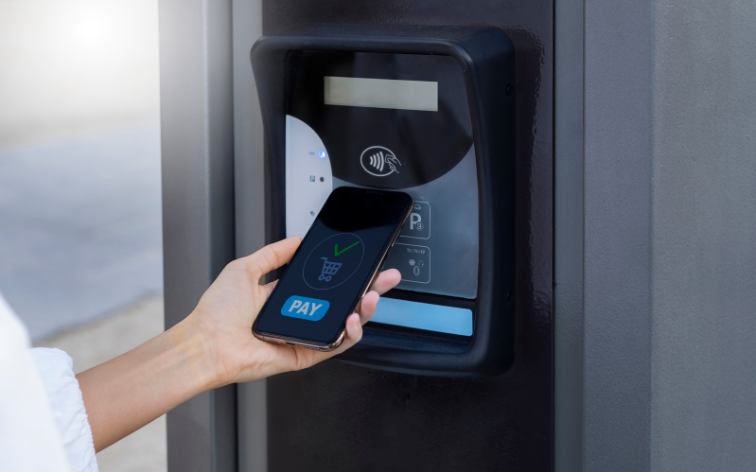
An RFID Door Access Control System uses Radio Frequency Identification technology to grant or deny access to restricted areas by authenticating RFID cards against a stored database. It’s built using an RFID reader (RC522), microcontroller (Arduino/PIC), electromagnetic lock or servo motor, LCD display, buzzer, and RFID cards. When an RFID card is presented, the reader captures its unique ID and sends it to the microcontroller, which compares it against authorized IDs, if matched, the lock opens and displays “Access Granted,” otherwise access is denied with an alarm. This mini project idea for ECE 2nd year student provides hands-on experience with RFID technology and security systems widely used in offices, hospitals, and residential complexes.
4. Automated Street Lighting System

An Automated Street Lighting System controls streetlights based on ambient light and motion detection, reducing energy consumption by operating only when needed. It’s constructed using LDR sensors to detect darkness, PIR sensors for motion detection, a microcontroller (Arduino/8051), relay modules, and LED/regular streetlights. This mini project of ECE students activates standby mode at sunset with low-intensity lights, while PIR sensors detect motion from pedestrians or vehicles and increase brightness temporarily before dimming again. This project addresses energy conservation in public infrastructure, potentially reducing electricity costs by 40-60% while teaching sensor networks and sustainable technology for smart cities.
5. Electronic Voting Machine

An Electronic Voting Machine (EVM) is a digital voting system that enables secure and efficient elections by replacing paper ballots with electronic ballot units. This mini project for ECE students with low cost can build it using a microcontroller (8051/Arduino), push buttons for candidates, LCD display, LED indicators, and EEPROM for vote storage. When a voter presses a candidate button, the microcontroller increments that candidate’s vote count in memory and displays confirmation; an administrative key accesses result mode to display total votes for each candidate. This project teaches embedded systems in democratic processes, data integrity, and security considerations while demonstrating voting technology used in real elections.
6. Fire Detection Alarm
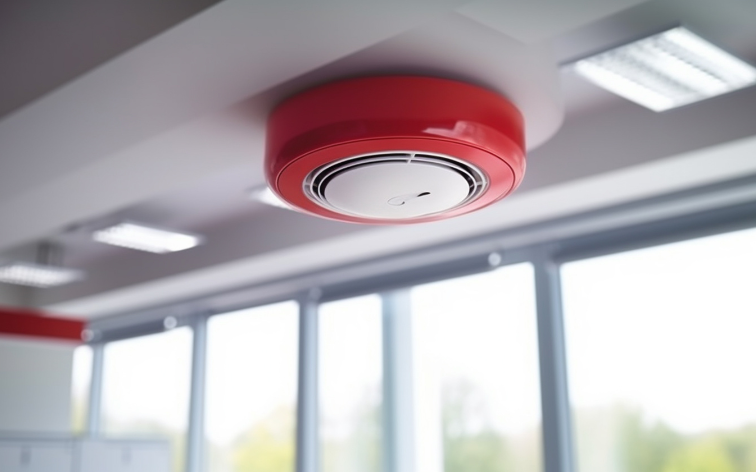
A Fire Detection Alarm is a safety system that detects fire hazards through smoke, temperature, and flame sensors, triggering immediate alerts to prevent damage and save lives. It’s constructed using smoke sensors (MQ-2/MQ-135), temperature sensors (LM35/DHT11), flame sensors, a microcontroller (Arduino/PIC), buzzer, LED indicators, LCD display, and optionally a GSM module for SMS alerts. When sensors detect smoke, excessive temperature, or flames beyond safe thresholds, the microcontroller activates the alarm, displays the alert location, and can send emergency SMS to pre-programmed numbers. This project addresses critical safety concerns in buildings and public spaces while teaching multisensor integration and emergency response systems that can genuinely save lives.
7. Automatic Solar Tracker

An Automatic Solar Tracker adjusts the solar panel’s direction to follow the sun and maximize energy output. It is built using LDR sensors, servo or DC motors, a microcontroller like Arduino, and a rotating frame. The LDRs detect light intensity differences, and the controller moves the panel toward maximum sunlight. This improves solar efficiency by 25-40% and helps students learn renewable energy and sensor-based automation.
8. Smart Irrigation System


A Smart Irrigation System automatically controls water flow based on soil moisture levels. It uses soil moisture sensors, a microcontroller, a relay, and a pump or solenoid valve. When soil becomes dry, the controller activates watering and stops once optimal moisture is reached. The system reduces water wastage and promotes precision farming, making it highly relevant for sustainable agriculture.
9. PC-Based GPS Receiver

A PC-Based GPS Receiver displays real-time location data on a computer using a GPS module and serial communication. Students connect a GPS module like NEO-6M to a PC through Arduino or USB-to-serial adapters and use software to read NMEA data. The system decodes satellite signals into coordinates, speed, and maps. This project teaches satellite navigation, data parsing, and GUI development.
10. Auto Electronic School Bell

An Auto Electronic School Bell rings automatically at preset times using an RTC module, microcontroller, relay, and electric bell. The RTC keeps accurate time, and the controller triggers the bell based on programmed schedules. Users can set daily or special period timings via buttons and an LCD interface. It improves punctuality in schools and teaches real-time systems and automation.
11. Robotic Arm

A Robotic Arm is a programmable mechanism with multiple joints that mimics human arm movement. Built using servo motors, a microcontroller, and a mechanical frame, each servo controls a joint through PWM signals. Using joystick input or programmed actions, the arm picks, places, and moves objects. It introduces students to robotics, kinematics, and automation used in industries and research.
12. AND FINALLY….
Students can also look around their own community to identify real-world problems and turn them into meaningful project ideas. Whether its waste management, water conservation, safety, or local automation needs, solving these issues through engineering concepts becomes a powerful learning experience. Such ECE-related projects not only strengthen creativity and practical skills but also contribute positively to society. This approach helps students understand how technology can improve everyday life while building a strong foundation for future innovation.
Steps to Execute the Mini Projects for ECE Students
Here is the step-by-step process to execute the mini and innovative project ideas for ECE students:
- Choose a Problem or Project Idea: Identify a simple, real-world problem or a concept you want to explore using electronics or communication systems.
- Research and Plan: Study similar projects, understand the required components, and outline the project’s purpose, features, and expected output.
- Collect Components & Tools: List and gather all necessary hardware (sensors, modules, microcontroller, resistors, etc.) and required software tools.
- Design the Circuit & Workflow: Create a clear circuit diagram or block diagram and plan how signals, power, and data will flow in your project.
- Develop and Test the Code: Write the program (Arduino, Embedded C, Python, etc.) and test each feature step-by-step.
- Build the Prototype: Assemble the hardware, integrate it with the code, and check for errors or malfunctions.
- Test, Improve & Document: Verify performance, fix issues, optimize the design, and document your results for report or presentation.
Conclusion
Mini projects play a vital role in strengthening the practical skills of ECE students, enabling them to apply theoretical knowledge to real-world challenges. Whether it is IoT-based automation, safety systems, robotics, or sustainable technology, these projects enhance creativity, technical confidence, and problem-solving abilities. By experimenting, building, and testing their ideas, students develop a strong engineering foundation that prepares them for future careers in embedded systems, communication engineering, and automation domains. With the right guidance, tools, and curiosity, every mini project becomes a stepping stone toward becoming an innovative and industry-ready electronics engineer.
Explore Project Guides for Other Engineering Streams
- Top 12 Mini Project Ideas for ECE Students
- Top 20 Mini Project Ideas for CSE Students
- Data Science Project Ideas for Final Year Students
- Top Final year project ideas for CSE Students
- Top 15 Projects for EEE Engineering Students
- Top 25 Cybersecurity Projects for Students
- Best AI Project Ideas for Students